
Have you ever been told that sit ups are bad for your back? Or that deadlifting will damage your discs!
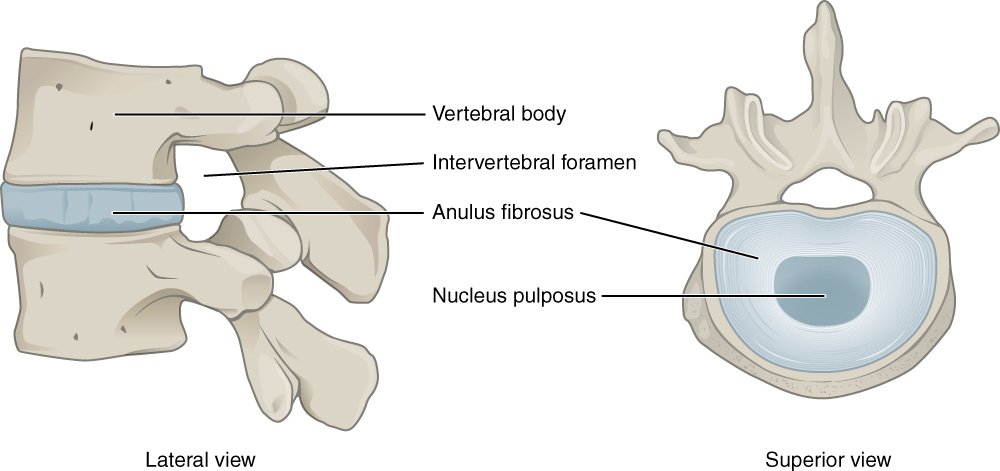
Your spine is a series of joints, where two vertebral bodies (bones) are connected by an intervertebral disc. These discs are made up of two parts, the nucleus pulposus, which is an inner fluid, and the annulus fibrosus, which is a series of strong outer rings, similar in concept to the rings of a tree trunk. Your discs allow for movement, shock absorption, and structural integrity. With that said, your discs can also contribute to various injuries, pathologies, and pain. The two most notable being disc herniation – where the disc pushes out past its normal space – and disc degeneration – where the height of spinal discs decreases.
Over time, your body undergoes changes. These changes can be positive, such as when our muscles become stronger, or not so positive, for example when our muscles atrophy. One major factor that drives these changes is the stimulus we provide tissues. For instance, in the case of our muscles, if we do regular exercise and progressive overload, we get the positive outcome. In contrast, if we under-dose them and lead a relatively sedentary life, we get a negative outcome. Our bodies are intelligent and will adapt to meet demands.
Your spinal discs aren’t inherently any different. For a long time the argument has been made that our discs need to be protected, that we should avoid stressing them, and that they do not adapt. So lets look at it in more detail:
- It’s been demonstrated that Wolff’s law – that changes in density and shape occurs in response to forces applied – can be applied to disc tissue, and that they will respond to mechanobiological signals.
- Exercise decreases disc height, given this is related to degenerative disc disease, some fear exercise encourages the condition. Nonetheless, disc height is regained relatively quickly following exercise.
- Studies have demonstrated that people who regularly engage in moderate-to-vigorous physical activity have superior intervertebral disc health markers.
- Research identified high-volume cyclists – those who spend a considerable amount of time in a flexed position – and high-volume runners – those who perform an impact activity – show beneficial intervertebral disc adaptations.
- Rowing, a sport that demands high degrees of lumbar flexion, with shear forces, has previously been reported to have a higher incidence of disc degeneration. However, new research investigating this has shed light suggesting previous studies may have missed something important here. Pre-season testing shows that rowers actually demonstrate superior markers of disc health. But, during their competitive season, disc height decreases, likely due to the demands of their sport.
- Isolated lumbar extension training shows no significant effect on disc health. This may sound not great, but the theory is that isolated spinal extension leads to negative outcomes – which isn’t what was found. In addition, the researchers saw this training led to significant improvement in strength and reduction in disability.
Additionally, new research investigating exercise impacts on chronic low back pain (not specifically disc related) identified that “higher training intensity, greater volume and shorter session duration were associated with lower pain intensity“ following a 6 month exercise program.
Summary
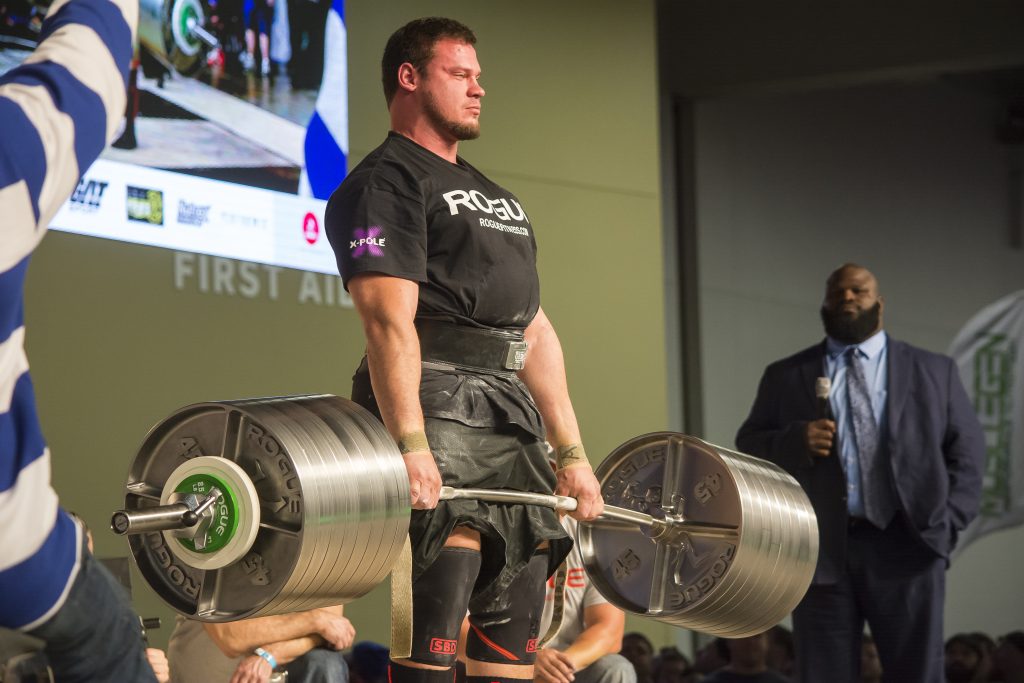
The idea that exercise is bad for your discs is out dated. Whether you’re talking about sit ups, rounded back deadlifts, or something in between, there’s no meaningful justification for it. As long as you adhere to quality exercise principles – training within a reasonable effort and volume that you can recover from, gradually progressing over time – then nothing is inherently off the table. Physical activity is beneficial for you – whether that be your disc specifically, your lower back as a whole, or your spirit. So in the scenario where your discs don’t specifically adapt, most people see reduced back pain.

